Designing the Game Board
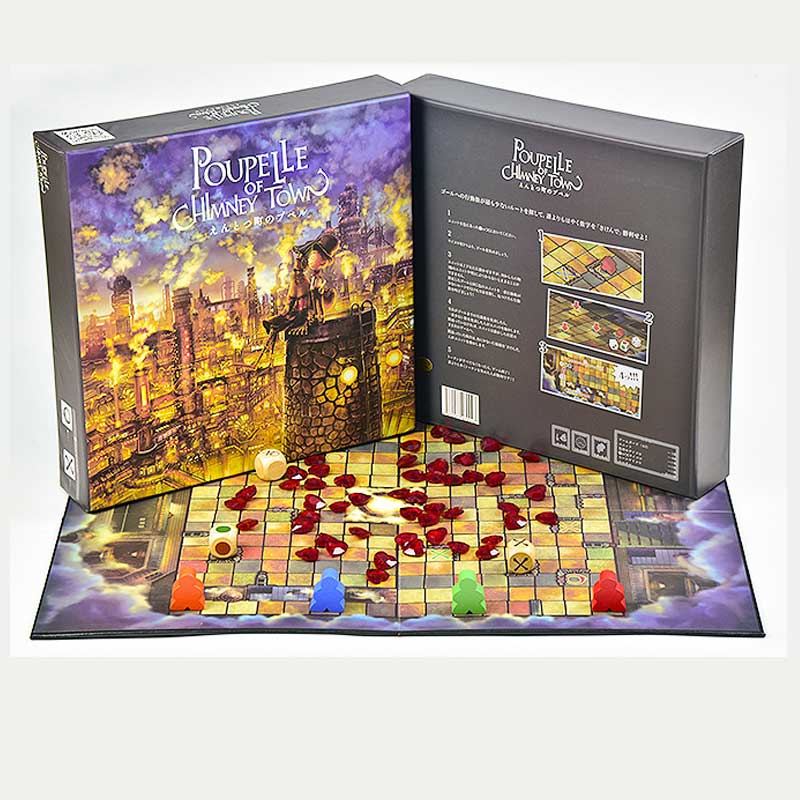
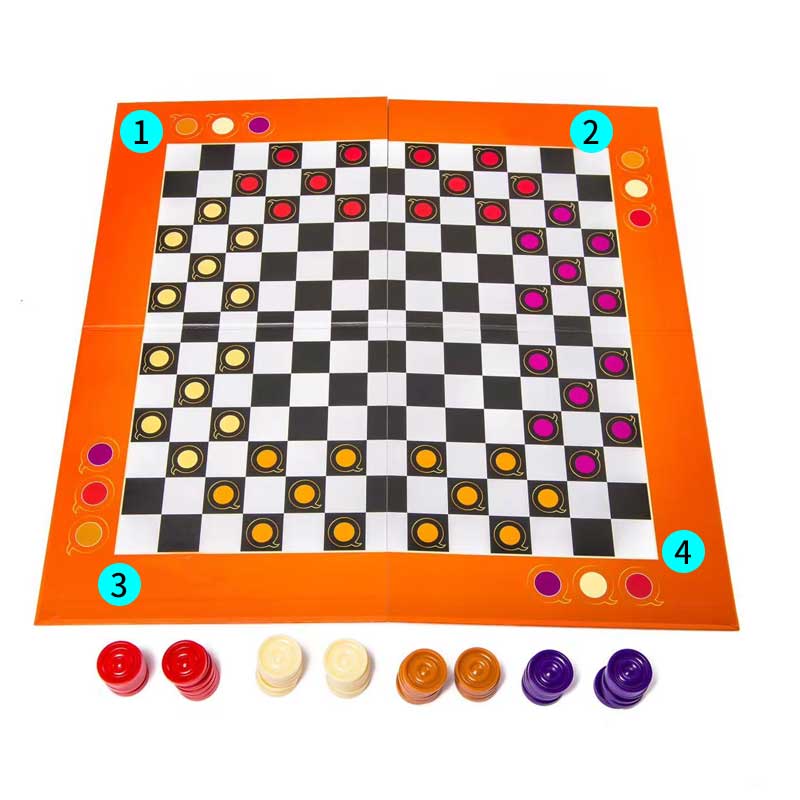
The board is the centerpiece of any Monopoly-like game, providing the physical path players follow. Unlike simple boards, a custom design requires careful planning of sections and interfaces.
Board Layout & Sections
A traditional Monopoly-style board has:
-
Four corner spaces
-
Multiple property spaces along the edges
-
Special sections (e.g., taxes, utilities, chance/community cards)
Start by sketching a square layout and divide it into clearly defined segments. Each property space and special zone should be easily recognizable and readable.
Careful layering of design elements — background, icons, property names, and color bands — ensures clarity and visual appeal.
Creating Custom Cards
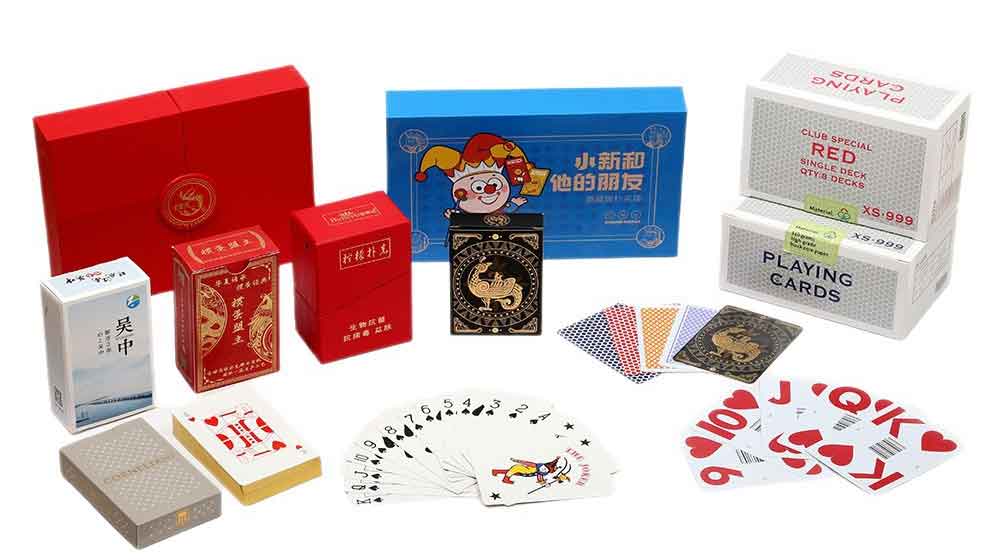
Cards are vital for gameplay mechanics and narrative impact. There are three major types to consider:
Property Cards
Property cards represent the spaces on the board and usually include:
Keeping property cards consistent in size and structure simplifies production and improves readability.
Event Cards
These resemble Chance or Community Chest cards and add surprises, rewards, or penalties to gameplay. Focus on readability and clear instructions.
Utility and Special Cards
Utility or tax cards generally have simpler designs but must communicate function immediately. Distinct backgrounds or icons help differentiate them quickly.
Consistent card dimensions (such as standard poker card size) make manufacturing easier and support uniform printing processes.
Tokens and Game Pieces
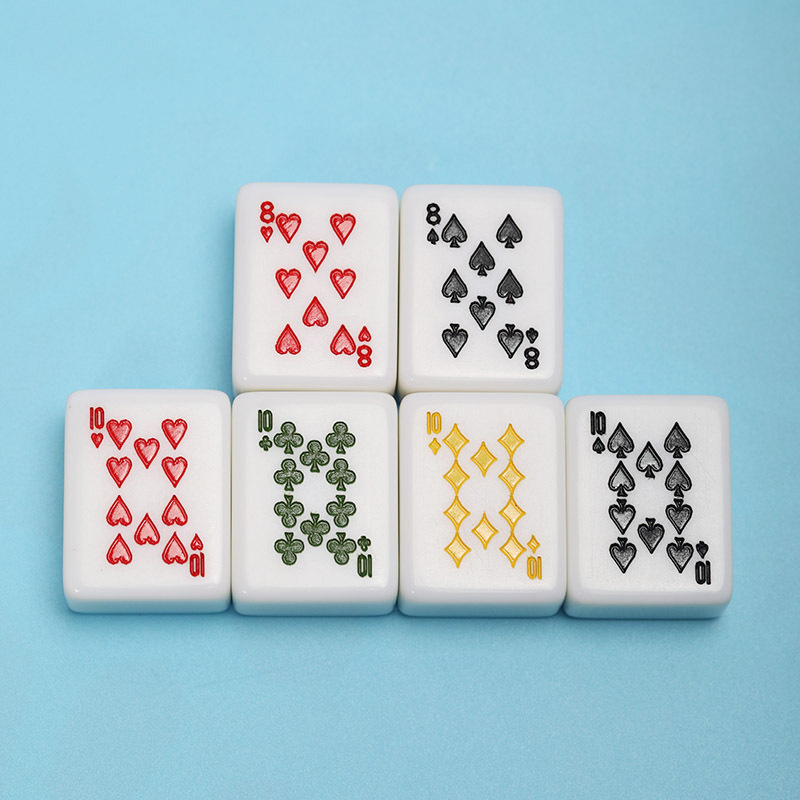
Tokens and accessories add tactile and thematic depth to your game.
Player Tokens
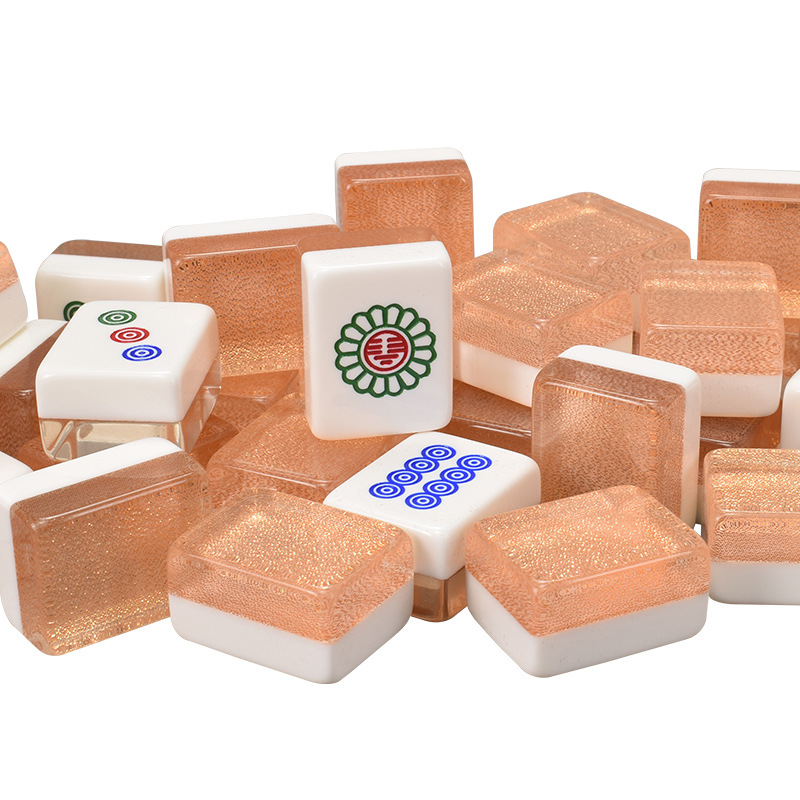
These represent individual player positions. Custom shapes — from themed icons to branded silhouettes — make your game memorable and engaging.
Houses, Hotels & Accessories
Traditional Monopoly includes houses and hotels. In a custom edition, these components can be re-imagined to fit your theme, using consistent shapes and sizes that are easy to handle and manufacture.
Highly customizable token shapes can be created using vector masks or design templates that scale easily across components.
Putting It All Together: Sets and Variants
Once individual components are designed, organize them into complete sets. This includes:
-
A full deck of cards
-
A complete path of board segments
-
Token packs for each player
-
Money and banking components
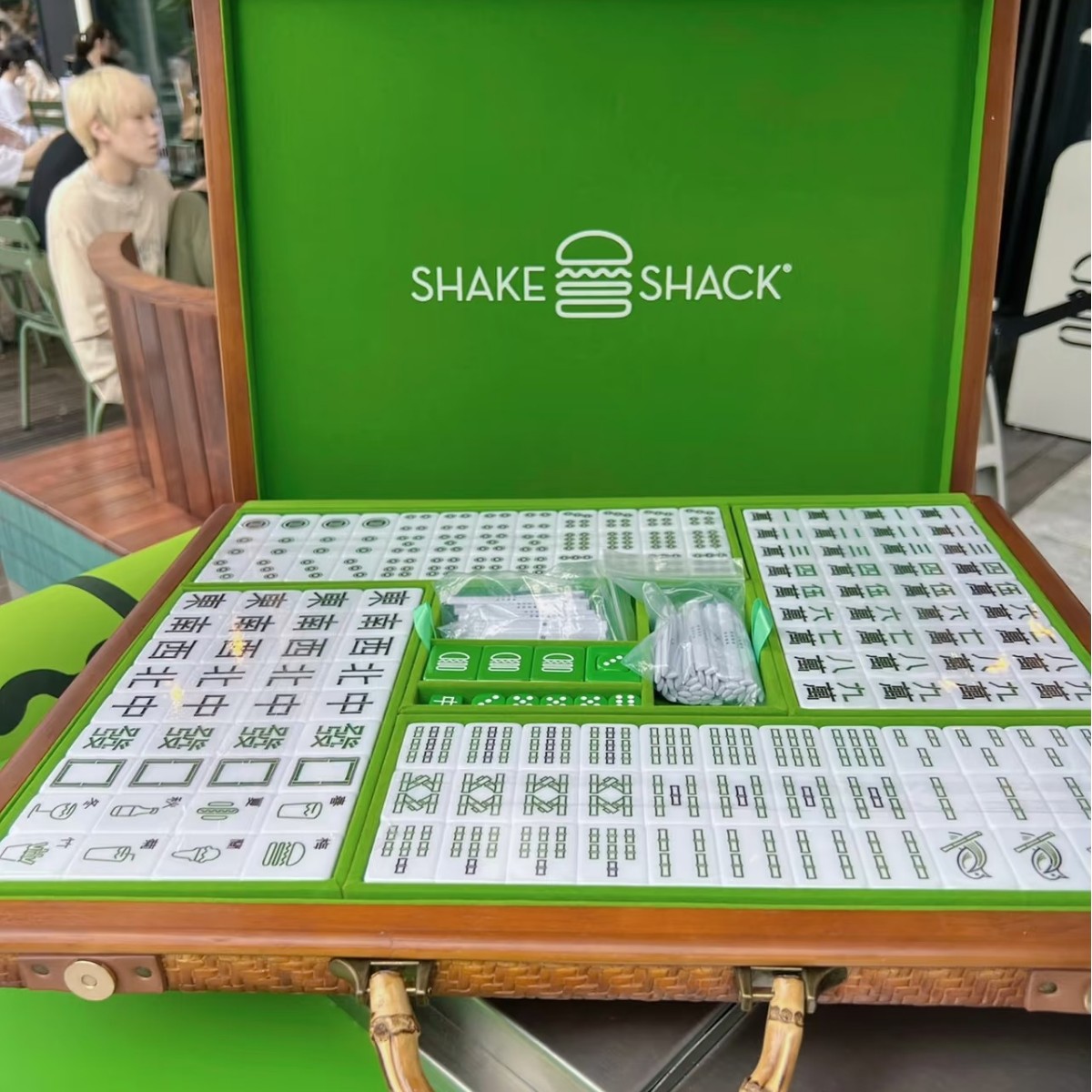
Grouping components into sets ensures consistency in design, production, and playtesting. Proper grouping helps when working with manufacturers or production partners who need structured files and clear component lists.
Prototyping & Iteration
Before moving to production, create physical or digital prototypes to test gameplay, readability, and balance. These can be simple print-and-play versions or digitally simulated iterations.
Playtesting helps refine:
Iterative testing ultimately leads to a better final product.
From Design to Production
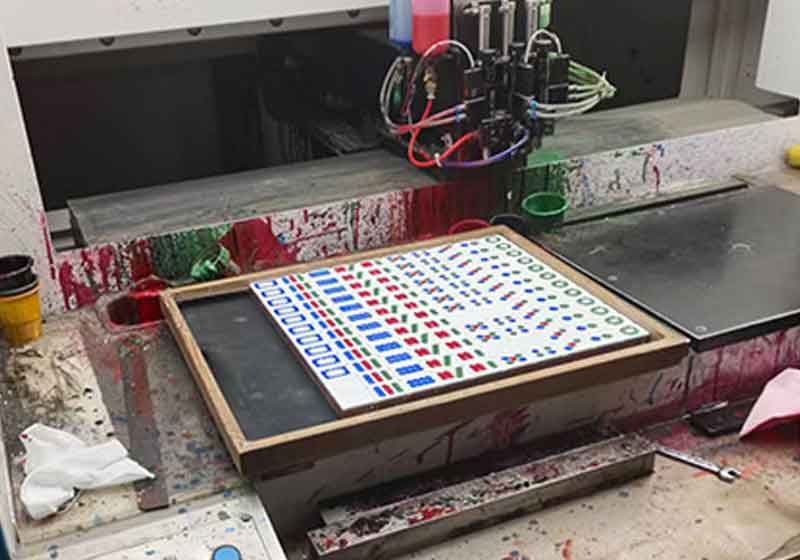
Once your prototype proves effective, you can prepare your files for manufacturing. A professional factory or experienced production partner will require:
-
All component blueprints (board, cards, tokens)
-
Defined dimensions and quantities
-
Material and finish preferences
-
Packaging and inserts planning
Providing clean, organized files streamlines production and reduces revisions. For tailored manufacturing solutions, including cards, boards, tokens, and custom packaging, explore professional services here:
👉 https://lyngames.com/custom-board-games/
Conclusion
Designing a custom Monopoly-style board game combines creative vision with careful structural planning. By understanding the board layout, card systems, tokens, and component grouping, you can build a game that feels both familiar and uniquely yours — ready for production and play.
Whether it’s for family, brand promotion, special events, or retail release, thinking through each component with design and production in mind ensures your custom board game becomes a compelling and polished experience.