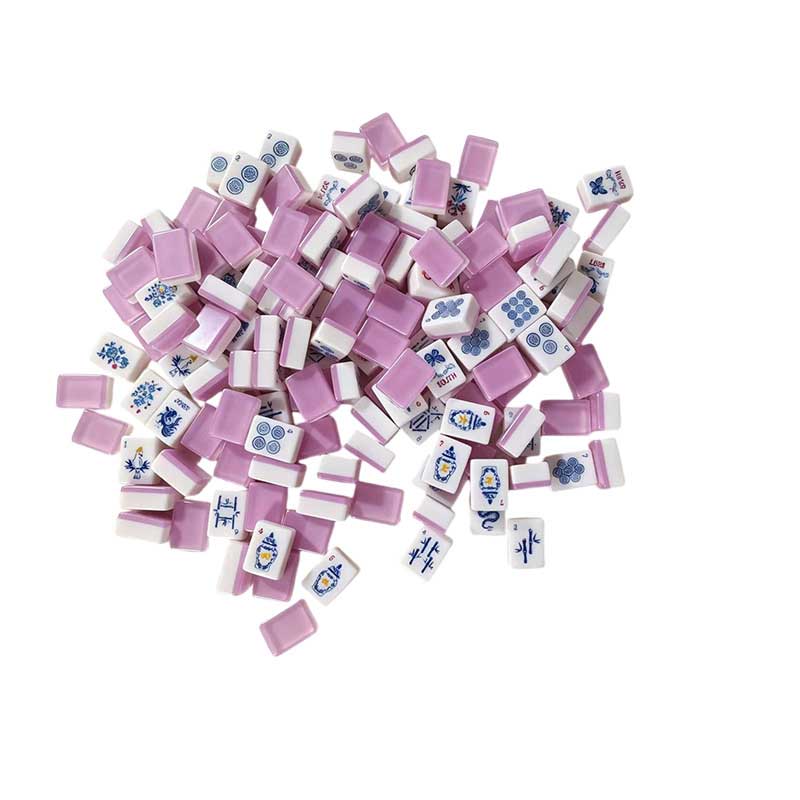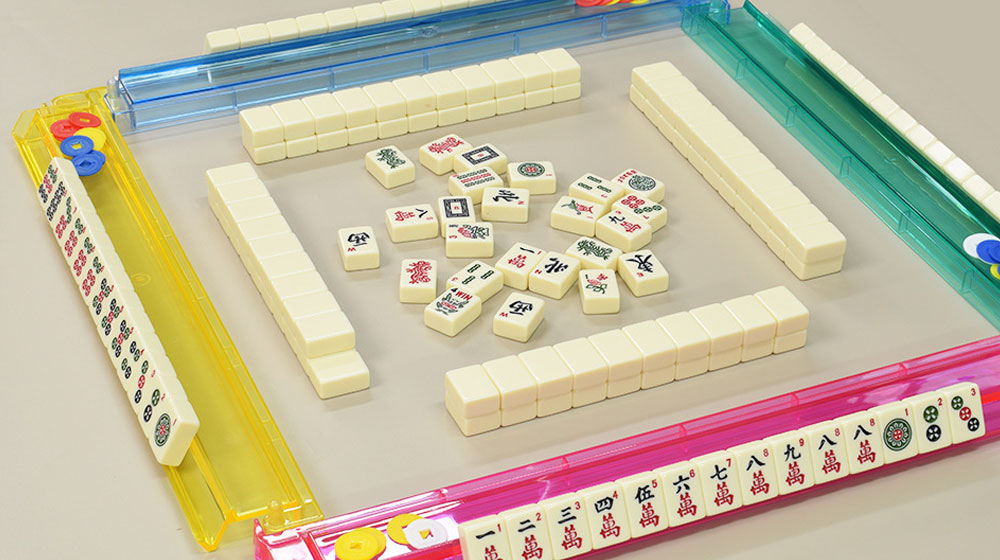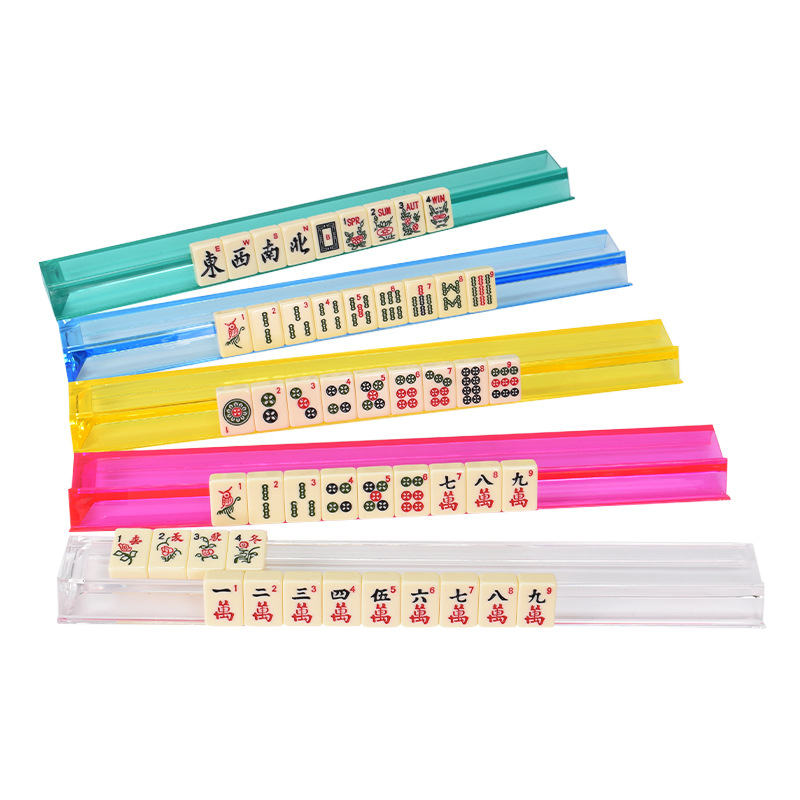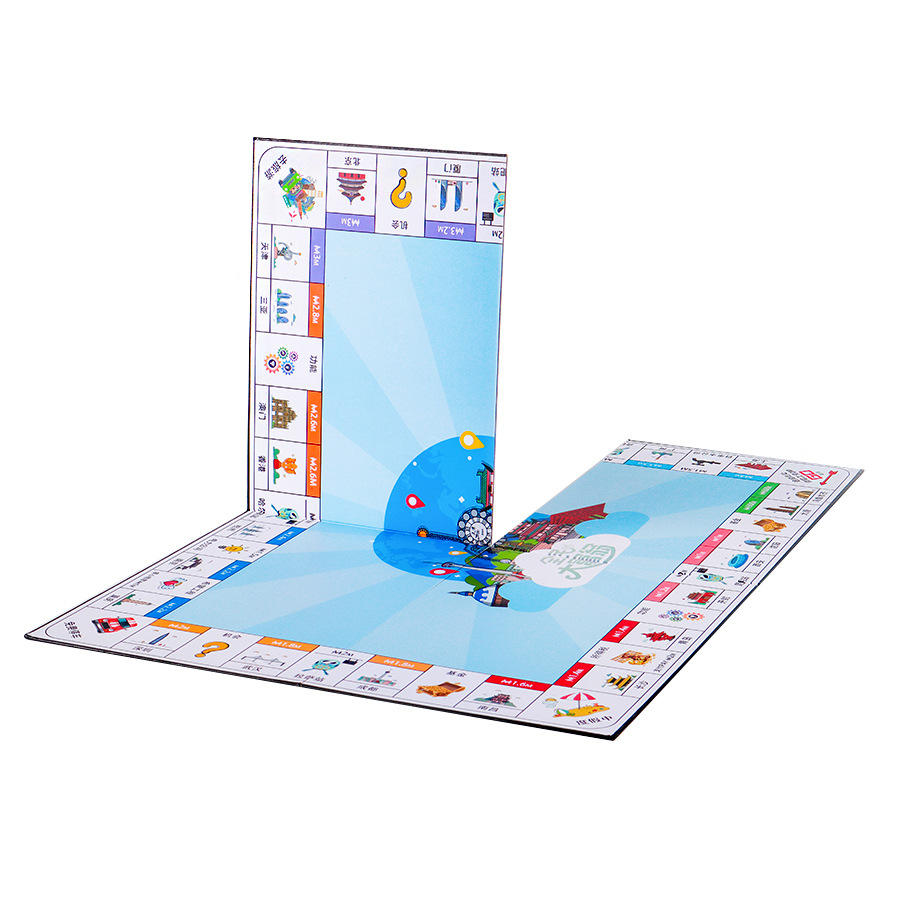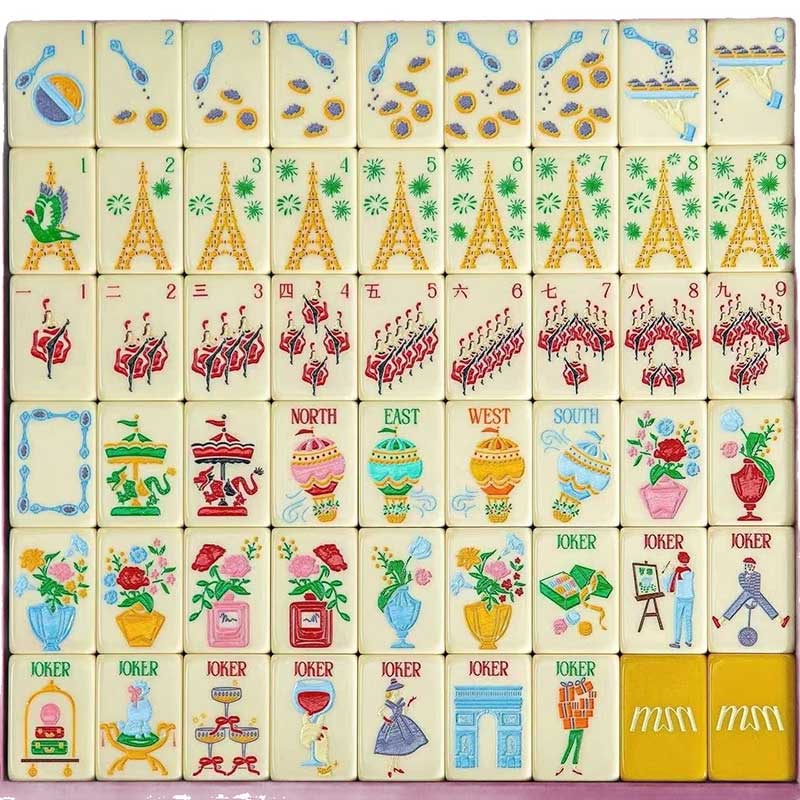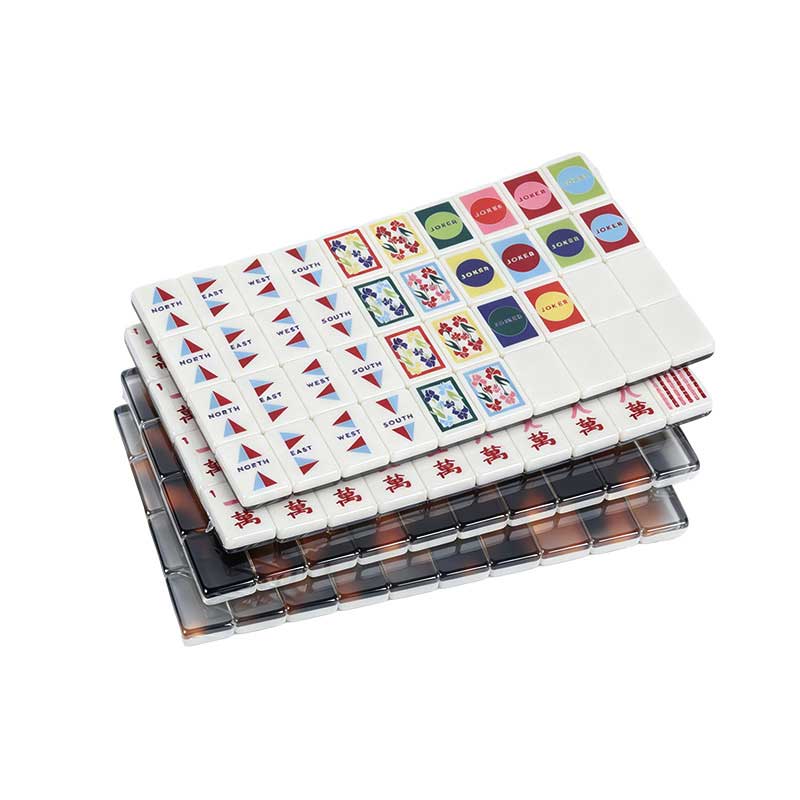

Mahjong has a long history, but today’s custom mahjong market goes far beyond traditional sets.
Brands and designers are increasingly using custom colors, graphics, packaging, racks, mats, and accessories to transform the classic game into a lifestyle product.
This creates opportunities for:
Unlike generic sets, fully customized mahjong products allow brands to build a recognizable visual identity across the entire game.
The tiles themselves are only the beginning.
A professional mahjong tiles manufacturer should offer more than simple logo printing.
Depending on your project and manufacturing method, customization can include several parts of the finished product.
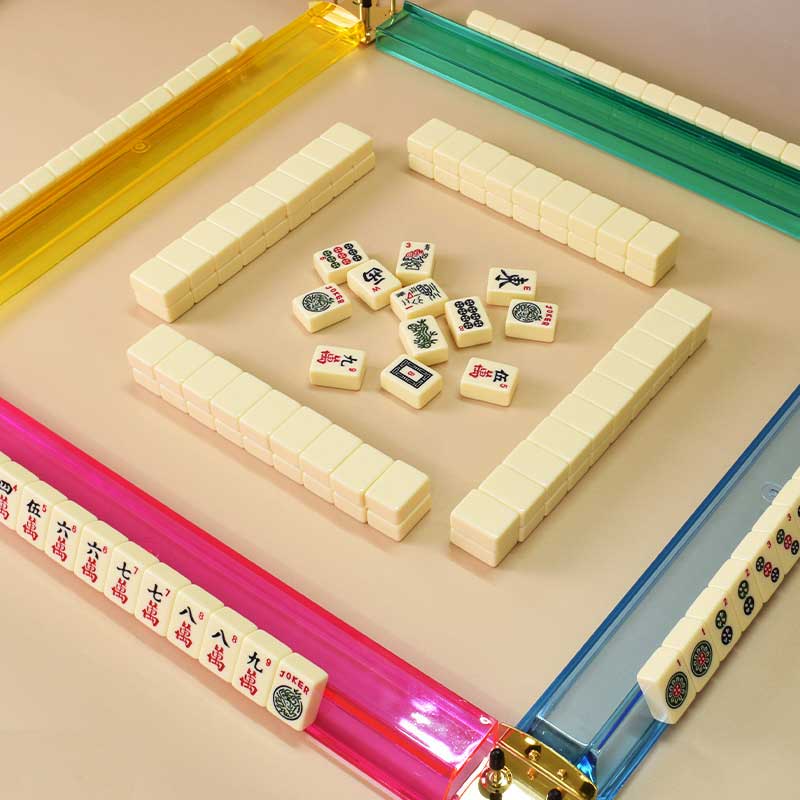
Traditional symbols can be produced in standard styles or adapted to match your visual direction.
Custom projects may include:
For branded collections, even relatively small changes in typography, line style, and color can create a distinctive appearance.
Color is one of the easiest ways to differentiate a mahjong collection.
Depending on the selected material and production process, manufacturers may develop custom:
Color consistency becomes particularly important during mass production, so samples should always be reviewed before approving a large order.
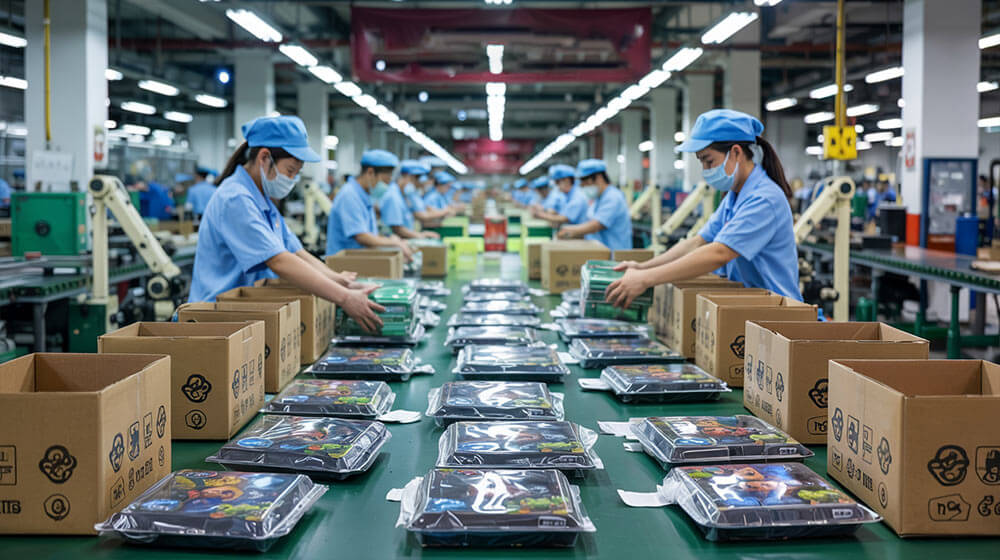
Packaging plays an important role in the perceived value of a mahjong set.
Options can include:
For retail products, the packaging should be developed together with the tiles rather than treated as an afterthought.
A complete collection can also include matching:
Working with one manufacturing partner for multiple components can make it easier to maintain consistent dimensions, colors, and branding throughout the set.
Material selection affects appearance, weight, durability, manufacturing cost, and the overall playing experience.
Before requesting a quotation, discuss the intended market and product positioning with your manufacturer.
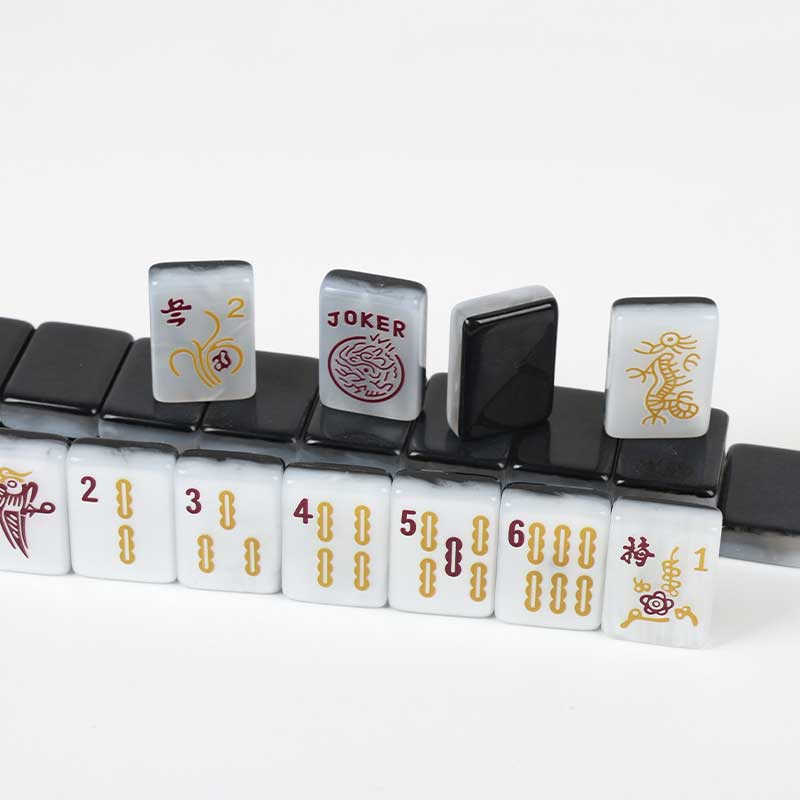
Acrylic is popular for modern custom mahjong sets because it offers a clean appearance and supports a wide range of colors and visual effects.
It can work particularly well for fashion-oriented collections and contemporary American mahjong products.
Different plastic or resin formulations can be selected depending on the desired finish, weight, durability, production quantity, and budget.
For commercial production, consistency is critical. Tiles within the same set should have uniform dimensions, surfaces, colors, and edges.
Wood is more commonly used for accessories and specialty products than conventional modern mahjong tiles.
It can nevertheless be useful when developing premium packaging, racks, markers, or other coordinated components.
The best material is not necessarily the most expensive one. It is the material that matches your target retail price, desired appearance, playing experience, and expected order volume.
Comparing suppliers only by price can create expensive problems later.
Instead, evaluate manufacturers across several areas.
Ask whether the supplier actually has experience producing mahjong products and related components.
A capable manufacturer should understand issues such as:
This becomes increasingly important when your project contains several customized components.
There is a major difference between adding a logo to an existing product and developing a genuinely custom mahjong set.
Ask exactly what can be changed.
Can the manufacturer customize the tile artwork?
Can you select custom colors?
Can the packaging be developed specifically for your brand?
Can matching racks, mats, or other components be produced?
If you are building a private-label product, deeper customization gives your brand more room to differentiate itself.
MOQ — minimum order quantity — is an important consideration for commercial mahjong manufacturing.
Custom production often involves machine setup, artwork preparation, material sourcing, color matching, molds, printing, packaging development, and quality-control procedures.
These setup costs are one reason factory production is generally more suitable for commercial quantities than one-off personalized products.
For new brands, a practical strategy is to develop and approve a prototype first and then determine a production quantity based on expected demand.
Never move directly into mass production simply because the digital artwork looks correct.
A physical prototype lets you evaluate:
This is especially important for a new product because changes become much more expensive after mass production begins.
Mahjong sets contain many individual pieces, which makes quality control particularly important.
A professional factory should inspect critical production details such as:
Consistent quality across the entire set is more important than making one perfect sample.
Manufacturing is only part of the project.
If your products will be sold internationally, ask whether the supplier can support export packaging and worldwide logistics.
Experienced manufacturers can help coordinate the movement of finished goods from the factory to your warehouse, fulfillment center, distributor, or other destination.
Not every custom mahjong project needs the same production model.
Print-on-demand and low-quantity services can be useful when you want to create one personalized product or test a design without committing to inventory.
A factory manufacturer serves a different purpose.
Factory manufacturing is generally more appropriate when you need:
If you are building a commercial mahjong brand, the question is therefore not simply:
“Who has the lowest MOQ?”
A better question is:
“Which manufacturer can reproduce my product consistently when I scale?”
At Lyngames, a commercial custom game project can move through a structured development and manufacturing process.
Start by providing the basic specifications of your project.
Useful information includes:
The more complete your specifications are, the more accurately a manufacturer can evaluate the project.
Before production, artwork and component requirements should be reviewed.
This helps identify potential problems involving dimensions, printing areas, colors, packaging structure, or manufacturing feasibility.
A prototype or pre-production sample allows you to see and handle the product before committing to mass production.
Review every important detail and request changes where necessary.
After the prototype and component samples are approved, the project can move into bulk manufacturing.
Production should follow the approved specifications rather than relying only on the original artwork files.
Components should be inspected during and after manufacturing to confirm that the finished sets meet the agreed requirements.
Finally, the tiles, accessories, instructions, and packaging are assembled into complete sets and prepared for shipment.
Depending on the project, finished goods can be shipped internationally to warehouses, distributors, fulfillment facilities, or other commercial destinations.
Before choosing a supplier, send each manufacturer the same basic questions so that you can compare quotations more accurately.
Ask:
What materials do you recommend for my product?
What is the MOQ for this design?
Can you customize both the tiles and packaging?
Can you manufacture matching accessories?
Can I order a prototype before mass production?
How long does sampling take?
What is the estimated mass-production lead time?
How do you control color and dimensional consistency?
What quality inspections are performed?
Can you arrange international shipping?
A supplier’s answers often reveal much more than the quotation itself.
One common mistake is selecting a supplier entirely on unit price.
A lower quotation does not necessarily mean a lower total project cost.
Poor samples, inconsistent colors, incorrect packaging dimensions, missing components, or manufacturing delays can quickly eliminate the original savings.
Another mistake is developing each component independently.
If tiles, racks, mats, packaging, and inserts are sourced without considering how they work together, dimensional or visual inconsistencies may appear during final assembly.
Finally, do not skip prototyping.
A sample may add time at the beginning of a project, but it can prevent far more expensive changes later.
China has a mature manufacturing ecosystem for printing, packaging, plastic components, game accessories, and custom product assembly.
For commercial buyers, working with an experienced custom mahjong manufacturer in China can make it possible to coordinate several manufacturing processes through one supply chain.
Lyngames is based in Dongguan, Guangdong, one of China’s major manufacturing regions.
Our custom game manufacturing services cover product development, material sourcing, printing, custom components, assembly, quality control, packaging, and international shipping.
For brands that want to move beyond generic products, this integrated approach can simplify the path from concept to finished mahjong set.
Lyngames is designed primarily for commercial custom manufacturing projects rather than individual one-off personalization.
We work with projects such as:
Whether you are preparing an initial commercial production run or scaling an established product, the goal is the same: create a product that can be manufactured consistently and reliably.
A successful mahjong product starts long before mass production.
Material selection, artwork preparation, prototyping, packaging development, manufacturing, quality control, and logistics all influence the final result.
Choosing the right custom mahjong tiles manufacturer therefore means finding a partner capable of managing the complete product — not simply producing the tiles.
If you already have artwork or a product concept, send Lyngames your specifications, desired quantity, packaging requirements, and target market.
Our team can review your project and help determine the next steps toward prototype development and commercial production.
Ready to manufacture your custom mahjong set?
Contact Lyngames to discuss your project and request a custom manufacturing quote.