How to Manufacture Board Games: A Complete Guide for Designers and Publishers

Manufacturing a board game is one of the most exciting yet complex stages of bringing a tabletop idea to life. Whether you are an indie creator, a new studio, or an established publisher, understanding how to manufacture board games helps you control cost, quality, and timelines. Today’s growing market, combined with global access to board game manufacturers, has made it easier than ever for designers to turn concepts into well-produced commercial products.

The Board Game Production Process

Understanding the production process helps creators plan budgets and timelines accurately. Below is the complete breakdown of how to manufacture board games from concept to shipment.

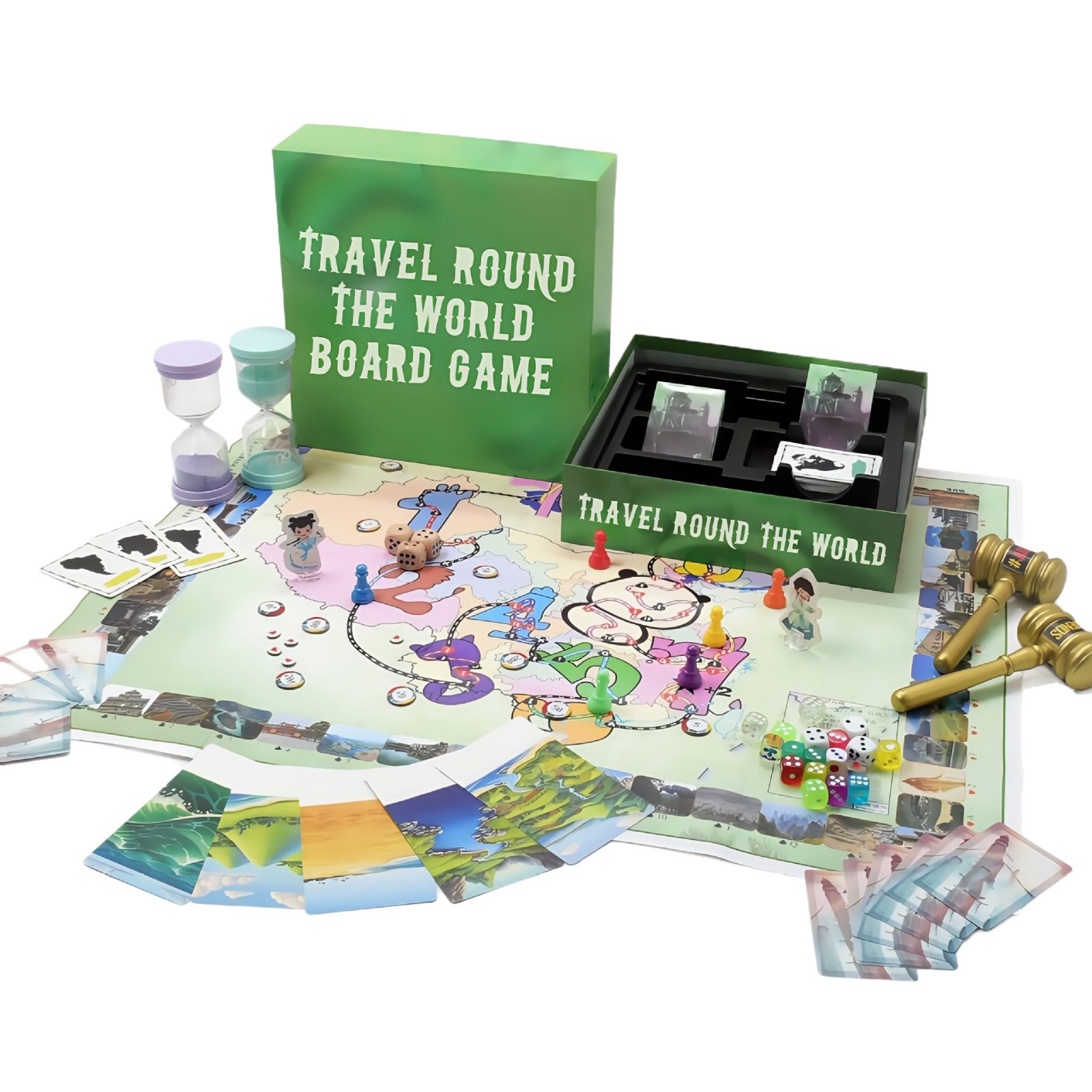
Custom-board-game-Custom-Game-Board

1. Concept Analysis & Component Planning

Before any artwork or printing begins, the first step is analyzing the structure of your game. This includes:

  • Number of cards

  • Board type (folding, mounted, or punchboard)

  • Tokens, meeples, dice, miniatures

  • Instruction booklet

  • Box size and internal trays

This is where your factory helps match materials to your gameplay vision—ensuring durability, safety, and cost efficiency.


2. Material Selection

Material choice heavily affects cost and player experience. Common materials include:

  • Paper & cardboard for boards, rulebooks, punchboards

  • Plastic for miniatures and tokens

  • Wood for meeples and premium components

  • Metal for coins or high-end upgrades

A quality board game factory provides custom options such as linen finish, UV coating, embossing, and custom inserts. For projects requiring aesthetic precision, custom board game printing ensures consistent colors across all components.


3. Prototyping

Prototyping is a crucial stage that allows you to test functionality, verify artwork placement, and check component size. Many manufacturers now offer 48-hour rapid prototyping, helping designers detect issues early and avoid costly production mistakes.


4. Artwork & File Preparation

Before entering mass production, your files must follow factory templates:

  • 300 DPI minimum

  • CMYK color format

  • Correct bleed margins

  • Vector shapes for tokens and punchboards

A complete design package usually includes: the box, the board, cards, icons, tokens, rulebook, and barcode placement.


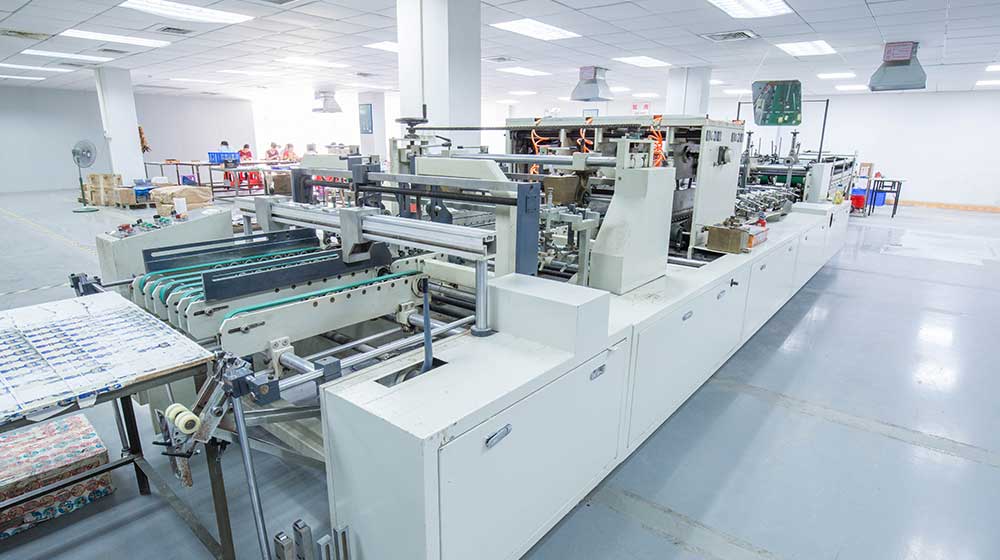
5. Printing & Mass Production

This is where ideas become physical products. The mass production phase includes:

  • Offset printing for high-quality colors

  • Die-cutting for tokens and punchboards

  • Injection molding for plastic components

  • Painting and finishing for miniatures

  • Folding, gluing, mounting, and assembly

Modern board game manufacturers employ automated production lines that ensure precision and consistent quality across thousands of components.


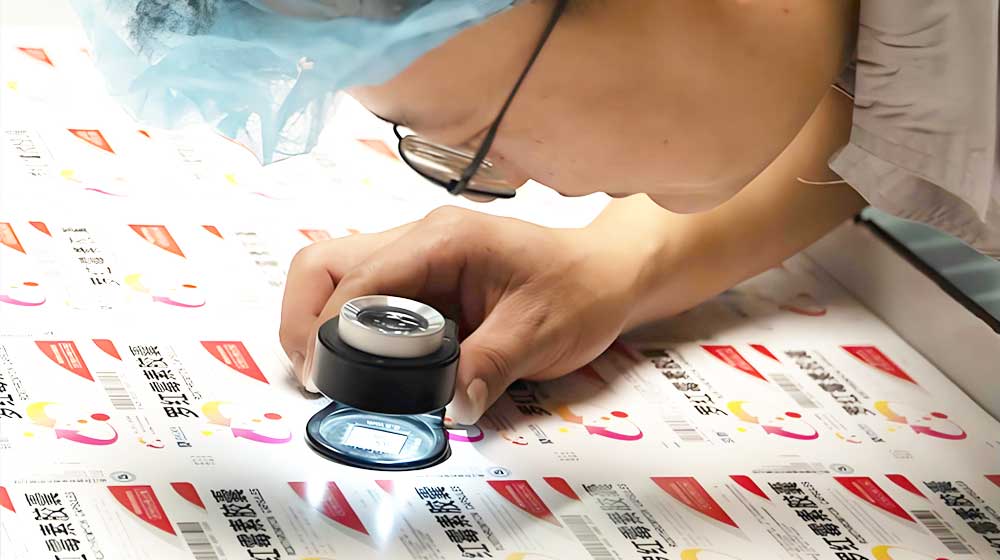
6. Quality Control

QC is vital to prevent misprints, inaccurate cuts, or missing components. Standard QC procedures include:

  • Card color matching

  • Punchboard alignment

  • Miniature molding inspection

  • Box durability tests

  • Full assembly checklists

A reliable manufacturing partner provides detailed QC reports before shipping.


7. Packaging & Logistics

Packaging options range from eco-friendly kraft boxes to luxury magnetic-closure boxes. After assembly, games undergo shrink-wrapping and carton packing. Logistics teams then help arrange shipping via sea, air, or courier—depending on timeline and budget.
Table of Contents

Common Challenges & Solutions

  • Color inconsistencies → resolved by digital proofs

  • Component tolerance issues → solved via precise engineering templates

  • Shipping delays → minimized by pre-planning production schedules

  • Budget overrun → avoided by material optimization and early quoting

Working with a professional factory greatly reduces these risks.


How to Choose Reliable Board Game Manufacturers

Selecting the right production partner is essential. Here’s what to look for:

  • In-house printing & manufacturing

  • Experience with international clients

  • Ability to handle plastic, wood, and metal

  • Fast prototyping capabilities

  • Transparent pricing

  • Strong QC system

A dependable manufacturer not only produces your game but also provides long-term support for reprints, expansions, and large-scale retail orders.


Final Tips for Designers & Publishers

  • Plan components early

  • Request multiple prototypes

  • Keep manufacturing files organized

  • Never skip QC steps

  • Work with experienced board game manufacturers to ensure long-term success

By understanding how to manufacture board games and choosing the right partners, designers can turn creative concepts into polished, market-ready products.

Got An Idea Involving Board Games or Card Games?

Contact us for any questions about the custom board game and card game solutions. Just feel free to contact us right now! Our professional sales team will provide the best quotation and suggestion for you.

Menu

Get a Quick Quote

You can get a price of this model or send us any question to get any information you would like to know, we will reply to you soonest.

Update cookies preferences