1. Mandatory Safety Tests for Toys Exported to the United States
For toy products intended for children under 14, laboratories typically require the following tests (including but not limited to):
-
ASTM F963-17 Physical & Mechanical Testing
-
ASTM F963-17 Flammability Testing
-
ASTM F963-17 Soluble Heavy Metals
-
ASTM F963 / 16 CFR 1303 / CPSIA Lead in Surface Coatings
-
CPSIA Total Lead in Substrate
-
CPSIA Phthalates Testing
-
California Proposition 65 (Lead & Phthalates)
-
NERC – Toxic Elements in Packaging
-
CPSIA Tracking Label
-
Country of Origin Labeling
-
Net Contents & Packaging Labeling (FPLA / UPLR)
📌 Important Note
This list is not exhaustive.
Final testing requirements must be determined by the laboratory based on physical samples, materials, and product function.
2. CPSIA: Consumer Product Safety Improvement Act
The CPSIA (Consumer Product Safety Improvement Act) is the core U.S. regulation governing children’s product safety.
Key CPSIA Requirements Include:
-
Section 101 – Lead limits in children’s products
-
Section 102 – Mandatory third-party testing
-
Section 103 – Tracking label requirements
-
Section 105 – Labeling for toys and games
-
Section 106 – Mandatory ASTM F963 toy safety standard
-
Section 108 – Phthalates restrictions
Compliance with CPSIA is not optional for products labeled under age 14.
3. Core CPSIA Testing Requirements Explained
3.1 Lead Content Testing
Applicable to inks, paints, plastics, metals, paperboard, and coatings.
3.2 Phthalates Testing
Commonly required for plastic, rubber, and soft-touch components.
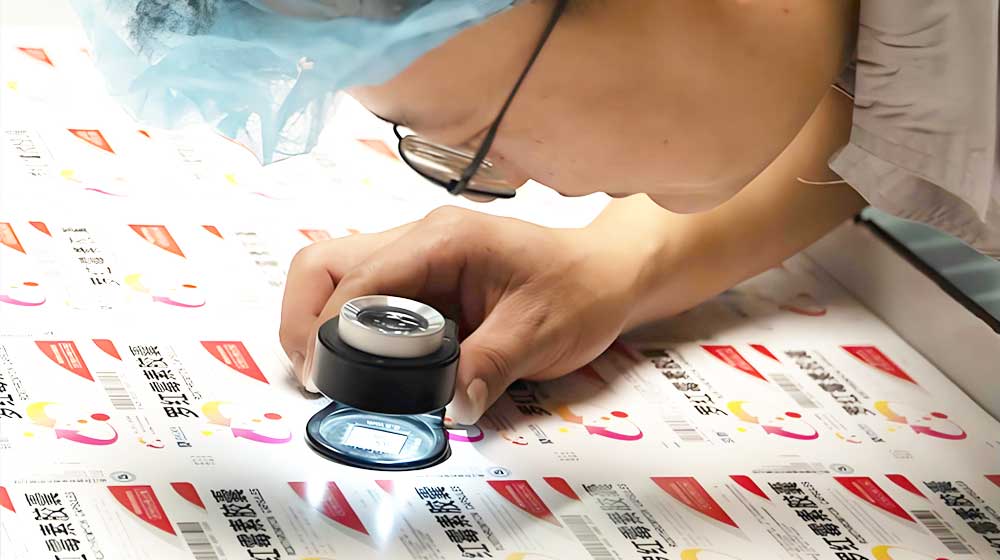
3.3 CPSIA Tracking Label Requirements
All children’s products must carry a permanent, legible tracking label containing:
-
Manufacturer or private labeler name (no internal-only coding)
-
Production location and production date (self-coding allowed)
-
Batch number, run number, or other traceable identifiers
-
Any additional information needed to identify the product source
📌 Tracking labels must:
Official reference:
https://www.cpsc.gov/Business–Manufacturing/Business-Education/tracking-label/
4. ASTM F963 Toy Safety Standard
Under CPSIA Section 106, ASTM F963 is legally enforced as a mandatory U.S. toy safety standard.
ASTM F963-17 Core Test Categories:
Additional Tests May Include:
-
Electrical safety testing
-
Microbiological testing
-
Toxicological Risk Assessment (TRA)
-
Chemical hazard evaluation
⚠️ Special Reminder
If a toy contains art materials (such as markers, paints, crayons, or pigments), TRA (toxicological analysis) is mandatory.
5. Country of Origin Labeling (19 CFR 134)
The well-known “Made in China” marking originates from U.S. Federal Regulation 19 CFR 134.
-
Must be accurate, permanent, and clearly visible
-
Typically not tested separately, but legally required
6. Packaging & Labeling Regulations (FPLA / UPLR)
Under the Fair Packaging and Labeling Act, product packaging must clearly display:
7. U.S. State-Level Regulations
In addition to federal law, some states enforce extra compliance requirements, including:
-
California Proposition 65 (lead & phthalates)
-
Illinois Lead regulations
-
Washington & Vermont: flame retardants and CHCC testing
📌 State testing depends on:
-
Sales regions
-
Product materials
-
Distribution channels
Laboratory consultation is strongly recommended.
8. Compliance Risk Warning
-
Federal-level testing is mandatory and cannot be skipped
-
State-level testing applies depending on market coverage
-
Test scope must be confirmed using actual production samples
-
This article lists common requirements, not a complete checklist
❗ Non-compliance may result in:
Conclusion
Any product labeled for children under 14 years old must fully comply with CPSIA and ASTM F963 when entering the U.S. market.
Because U.S. toy regulations are highly detailed and strictly enforced, early compliance planning and cooperation with experienced manufacturers and certified laboratories are essential for long-term success.