
One of the most common questions creators ask is about MOQ.
Our standard minimum order quantity starts at 500 units per game. This level is ideal for:
Indie game designers
Kickstarter projects
Small publishers
First-time board game creators
However, MOQ may vary depending on component complexity, such as:
Custom miniatures
Special packaging
Unique materials or finishes
We always provide detailed quotations to help you determine the most cost-effective production quantity for your project.
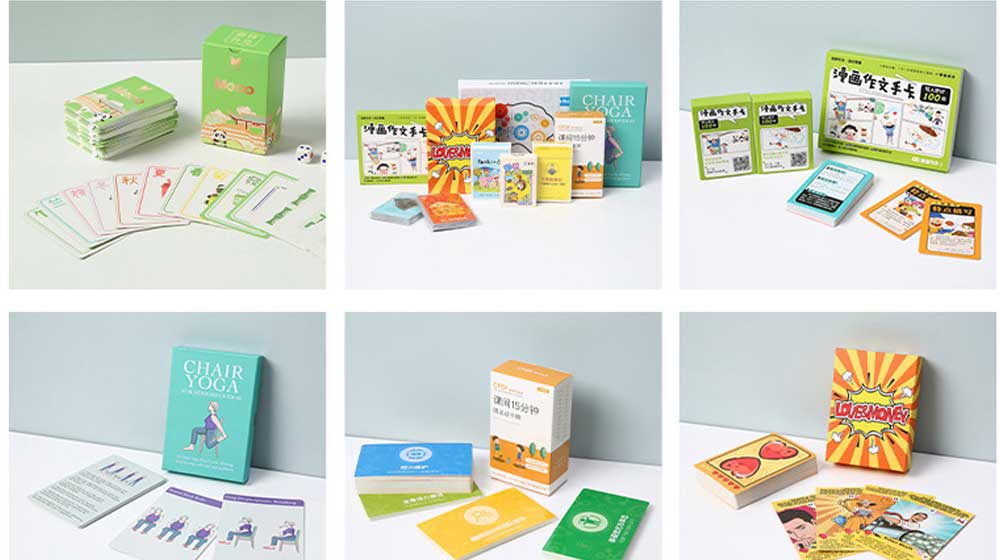
👉 Learn more about pricing here:
Get a Custom Board Game Quote
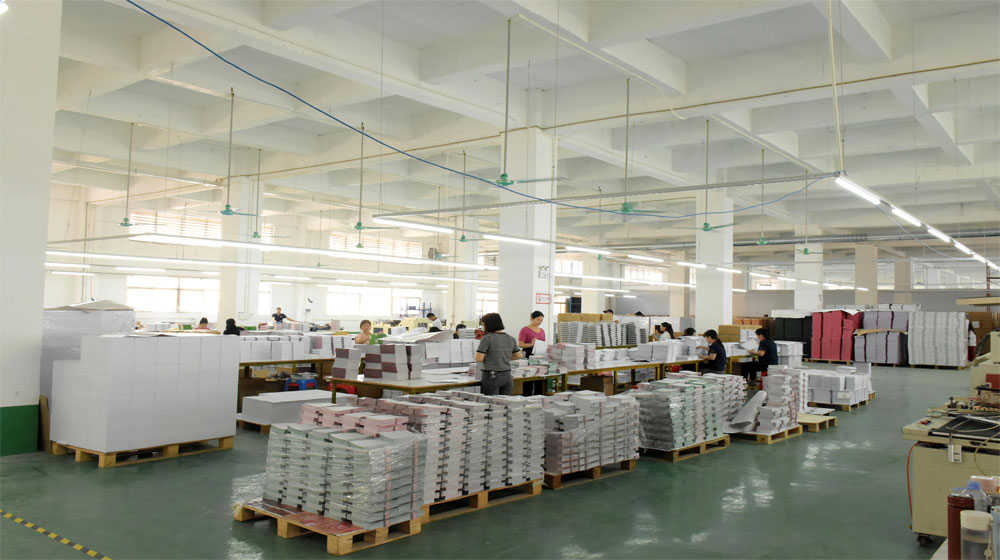
After your final production sample is approved, mass production usually takes 6–8 weeks.
Material sourcing
Printing
Component fabrication
Assembly
Final quality inspection
Please note:
Prototyping is a separate phase before mass production
Shipping time depends on destination and shipping method
Planning ahead ensures your board game launches on schedule—especially for crowdfunding campaigns or retail releases.
To keep production transparent and efficient, we follow a structured workflow.

This phase ensures your game is ready for manufacturing.
File review & technical checks
Material confirmation
Sample and prototype creation
Any issues are resolved before mass production begins, reducing risk and cost.
Once samples are approved, full production starts:
Material procurement
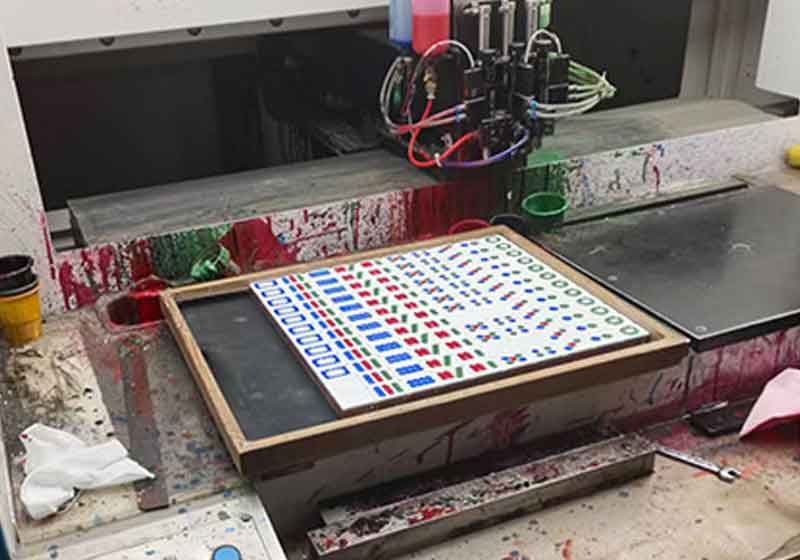
Card and board printing
Cutting and die-making
Custom component manufacturing (tokens, miniatures, dice)
All components are produced according to approved specifications.
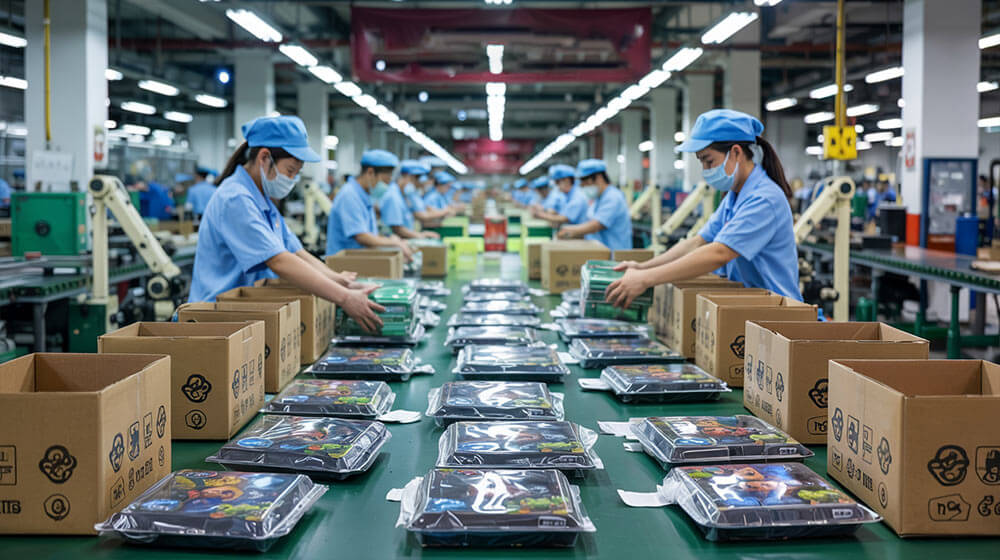
After components are made, everything comes together:
Assembly
Component matching
Quality control inspections
Packaging and boxing
Each game set is checked to ensure consistency and quality.
Once production is complete:
Products are packed securely
Shipping method is arranged (sea, air, or express)
Goods are delivered worldwide to your warehouse or fulfillment cente
Knowing how board games are produced helps creators:
Plan realistic timelines
Control production costs
Avoid common manufacturing mistakes
Communicate efficiently with factories
By working with a professional board game manufacturing factory, you gain transparency, reliability, and peace of mind throughout the entire process.
From a 500-unit MOQ to a 6–8 week production timeline, board game manufacturing doesn’t have to be complicated. With a clear process and an experienced factory partner, your concept can move smoothly from design files to a finished, retail-ready game.