How to Create a Custom Monopoly-Style Board Game: A Practical Guide for Designers
Learn how to design your own custom Monopoly-style board game from theme and board layout to cards, tokens, and production insights. Ideal for creators and publishers.

Learn how to design your own custom Monopoly-style board game from theme and board layout to cards, tokens, and production insights. Ideal for creators and publishers.
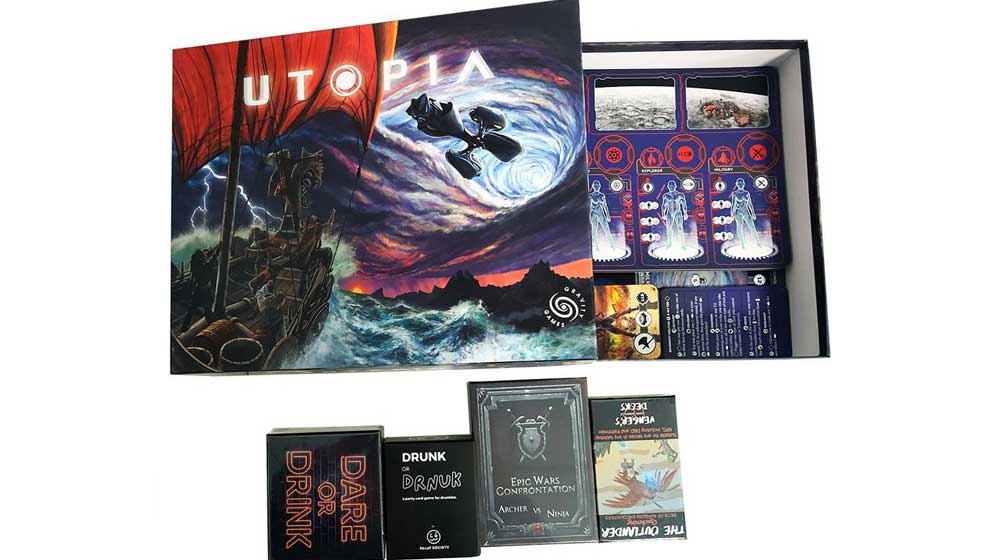
Getting a quote for your custom board game shouldn’t be a puzzle.
Yet many creators struggle to understand why pricing feels unclear or inconsistent when contacting manufacturers.
In most cases, it’s not because the project is complicated — it’s simply because the right information hasn’t been shared yet.
To give you an accurate and transparent quote, a professional custom board game factory only needs four clear details.

Bringing a board game to life has never been easier — or more complex.
Today’s creators have access to online design platforms, print-on-demand tools, and global manufacturing partners. Platforms like Launch Lab show how digital workflows can simplify early-stage production. At the same time, many creators eventually discover that scaling a successful board game requires deeper manufacturing support.
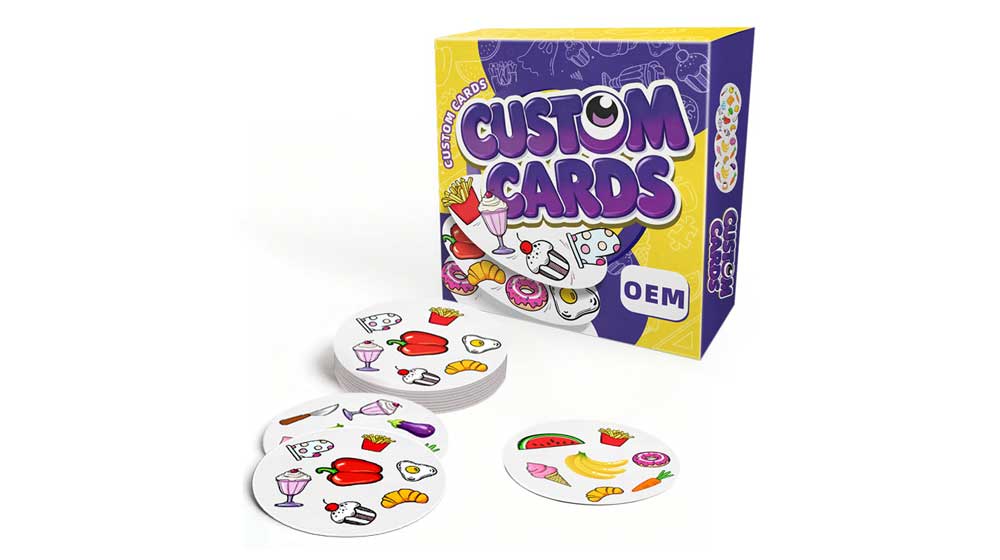
Custom board game manufacturing is a professional production process that transforms a game concept into a market-ready physical product. Understanding this process helps publishers, designers, and brands avoid costly mistakes and improve production efficiency.
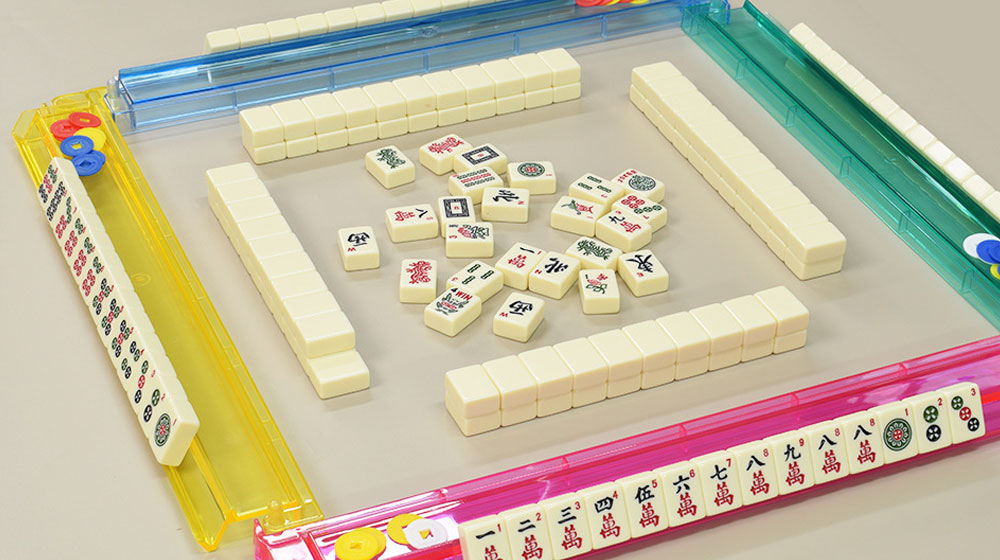
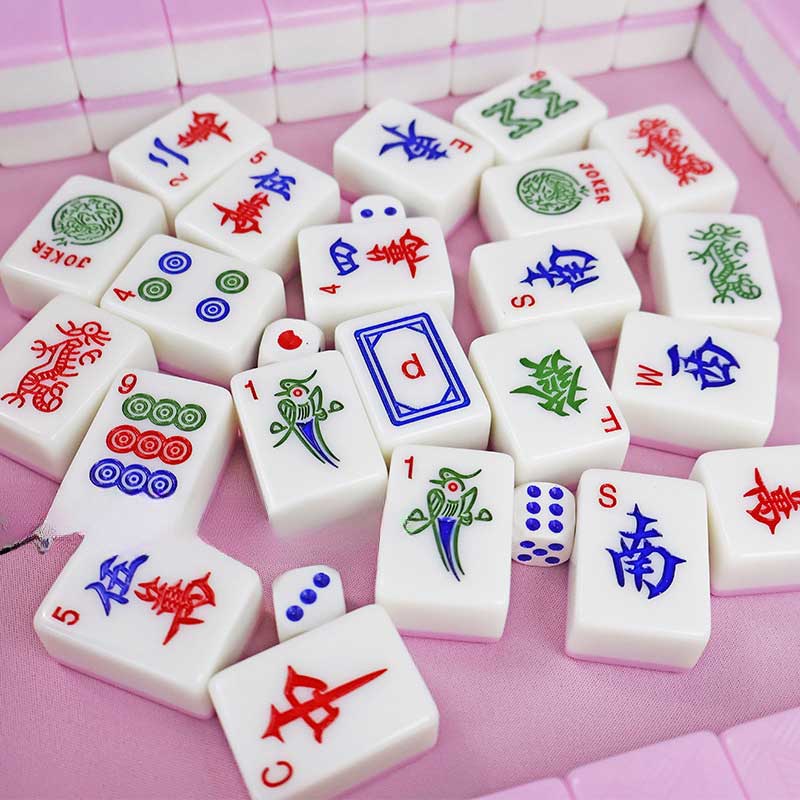
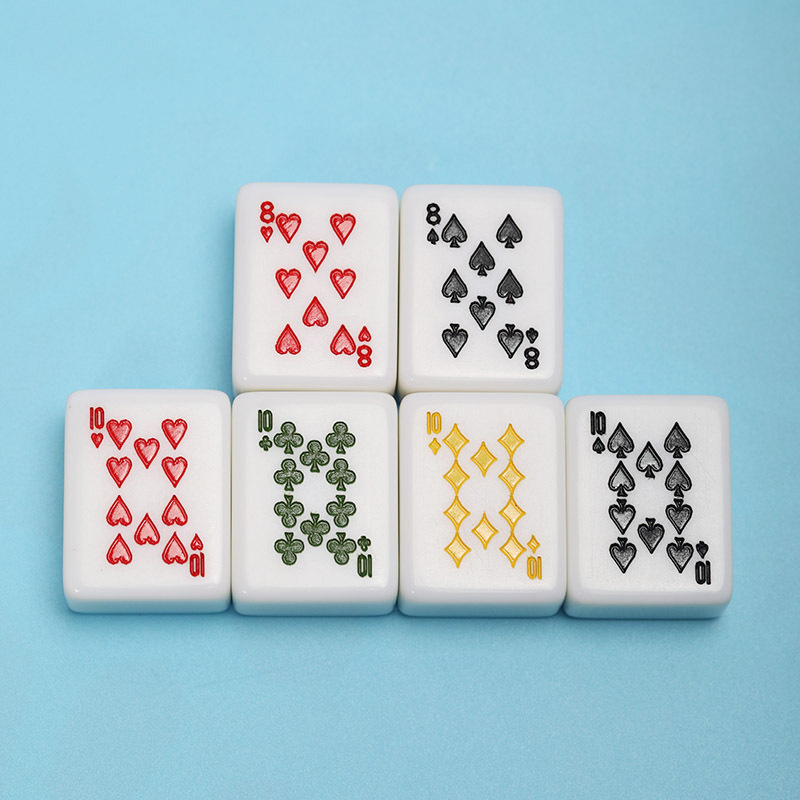
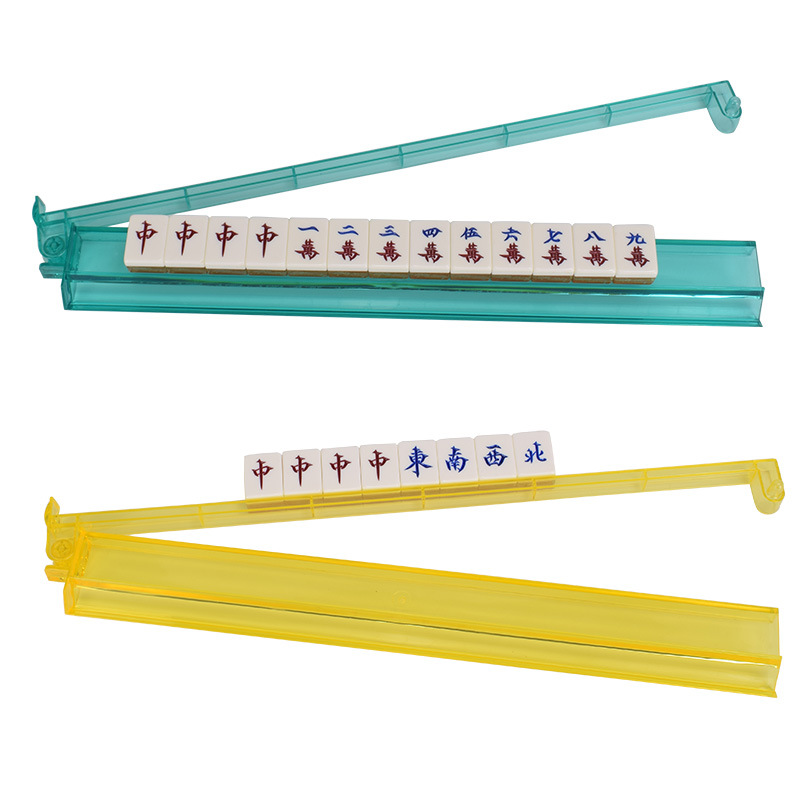
Mahjong tiles are more than just game pieces—they’re a fusion of culture, craftsmanship, and functionality. For decades, [Your Factory Name] has been perfecting the art of making mahjong tiles, blending traditional wisdom with modern innovation to create sets that delight players worldwide. Whether you’re a casual gamer, a collector, or a business looking for high-quality wholesale options, understanding how mahjong tiles are made reveals the care and expertise behind every set we produce.
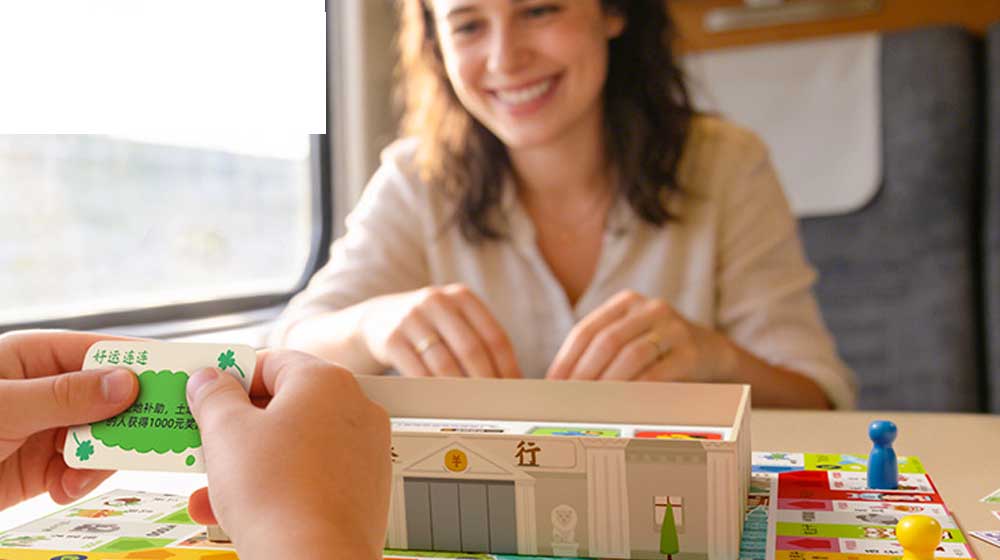
Family board games continue to be one of the most popular categories in the global tabletop market. Designed to be accessible, engaging, and suitable for players of different ages, family games require a careful balance of durability, safety, visual appeal, and cost control.
As a custom family board game factory, we specialize in helping publishers, brands, and independent creators turn their ideas into high-quality, retail-ready family games.
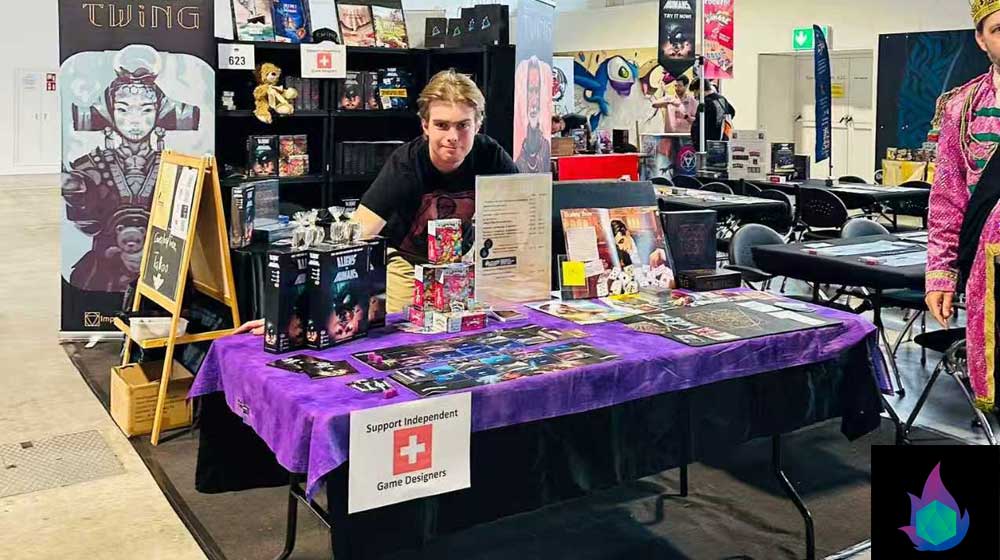
Whether you’re a tabletop game designer, hobbyist creator, or enthusiast tinkering with physical prototypes, there’s a world of DIY board game resources available online that can accelerate your creativity and improve your build quality. From print-and-play tools to component makers to community-curated links, this guide collects essential resources and explains how to use them effectively when designing and prototyping board games.
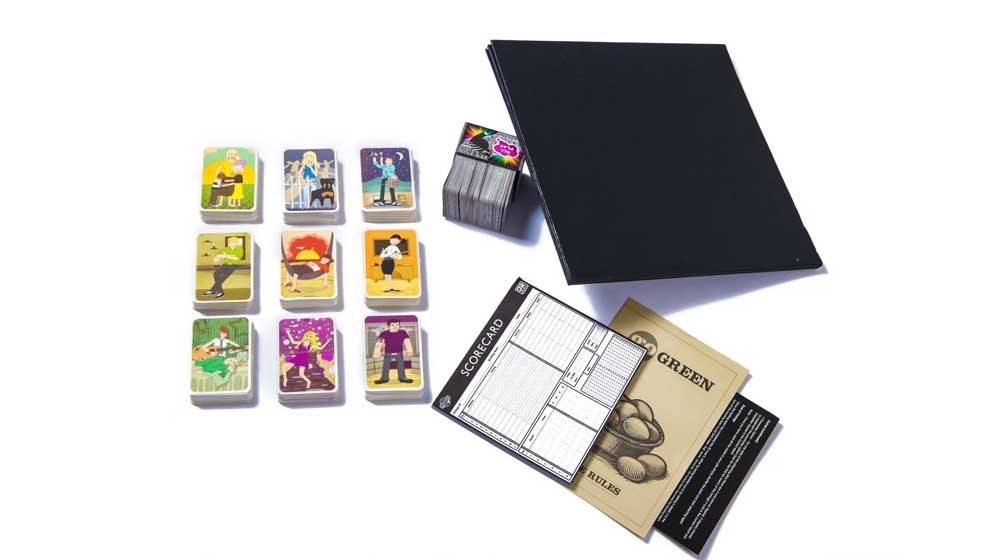
For toys and board games intended for children under 14 years of age (14-), the European Union enforces a strict and well-defined safety framework. Products must comply with CE Marking requirements, the Toy Safety Directive 2009/48/EC, and relevant REACH chemical regulations before being placed on the EU market.

Phthalates are a group of chemical plasticizers commonly used to soften plastics. Due to their potential health risks—particularly to children—the United States enforces strict limits on phthalates in toys and child care products.

The United States has one of the strictest toy safety regulatory systems in the world.
Any product labeled for children under 14 years of age (14-) is legally classified as a children’s product (toy) and must comply with a wide range of mandatory federal and state safety regulations.
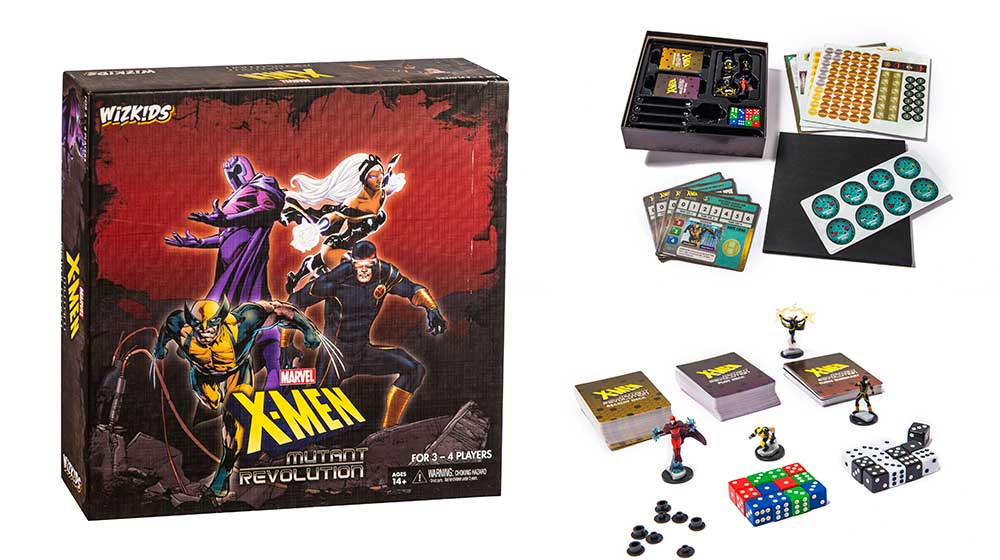
When a product is labeled 14+, it is generally classified as a non-toy consumer product rather than a toy. However, some customers, distributors, or marketplaces may still request safety testing to ensure compliance with local regulations.
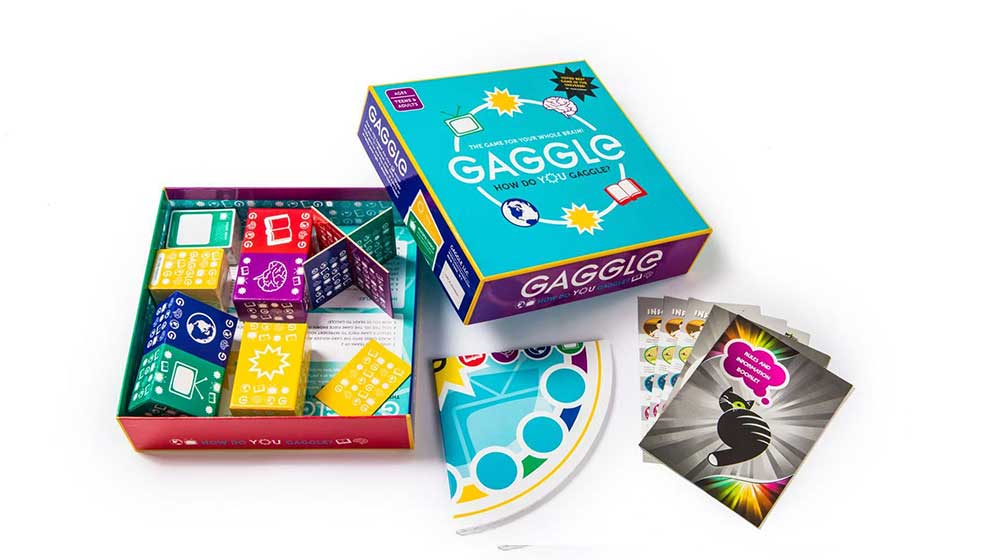
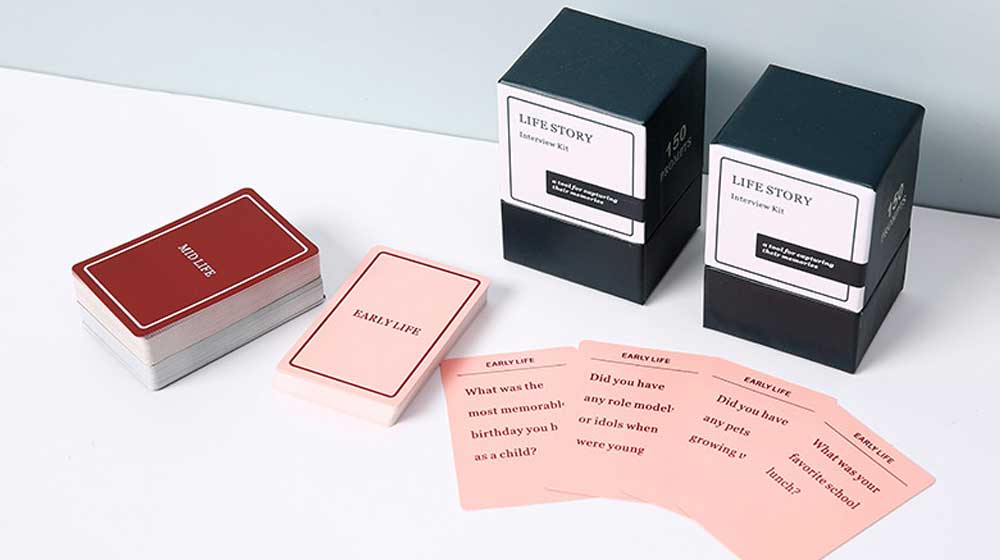
If you are developing a board game, one of the first questions you’ll ask is: Where are most board games manufactured? The answer matters — because manufacturing location affects cost, quality, timelines, and scalability.

Even with strict quality control, occasional issues may still arise after products reach end customers. A professional board game manufacturer must provide a clear, efficient after-sales service process to protect your brand reputation and customer satisfaction.
When choosing a board game manufacturing partner, trust and confidentiality are just as important as production capability. Your game idea, artwork, and mechanics represent significant creative and commercial value.
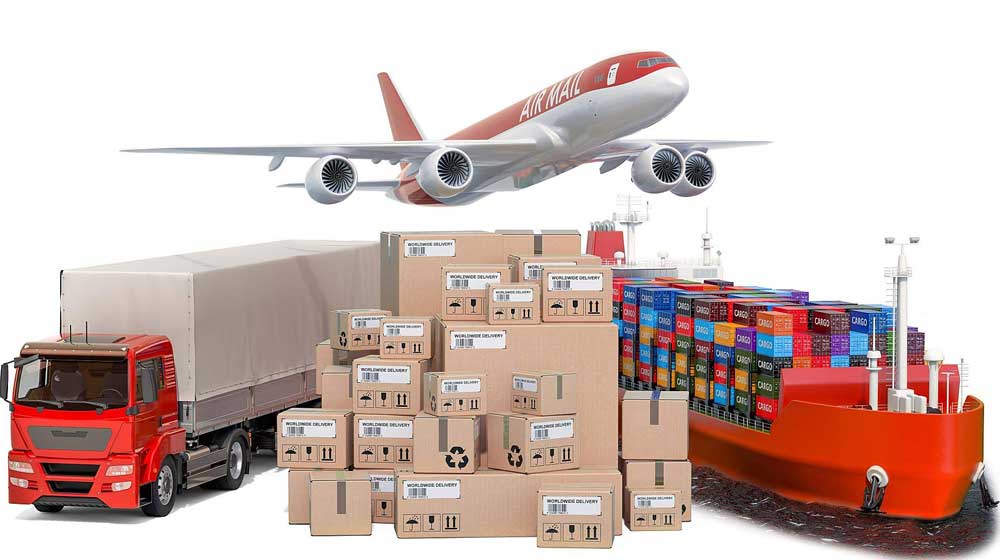
Shipping and logistics are often the final—and most complex—stage of board game manufacturing. Understanding shipping terms, customs responsibilities, and fulfillment options helps creators avoid delays, unexpected costs, and delivery issues.
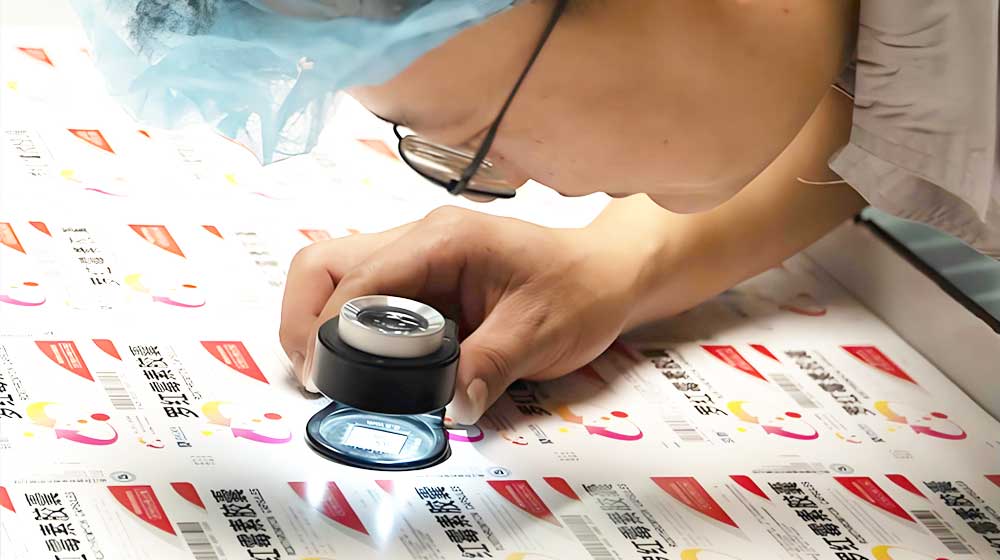
Quality control is one of the most critical elements in board game manufacturing. From material selection to final packaging, every stage must be carefully monitored to ensure consistency, durability, and functionality.
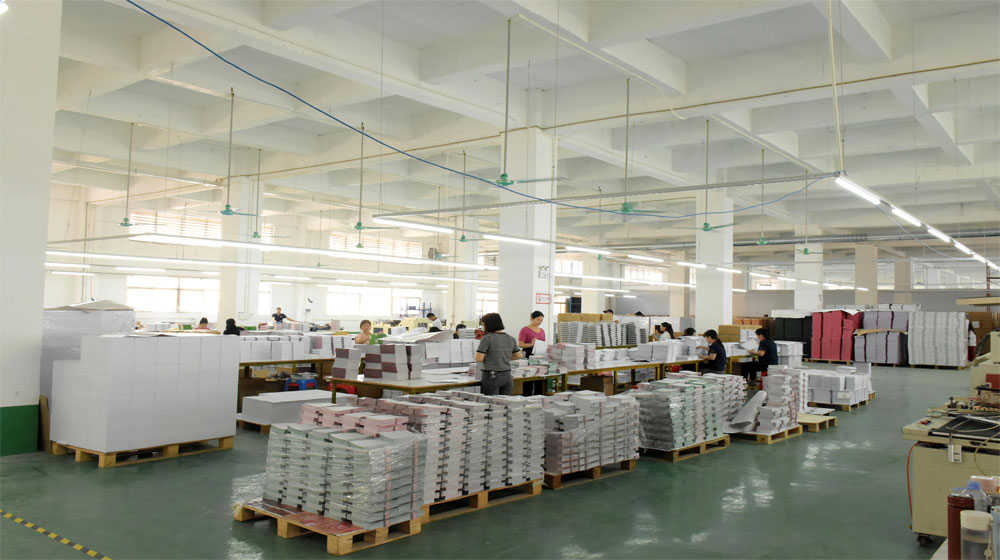
Before mass production begins, prototypes and samples play a critical role in ensuring your board game meets expectations. Sampling allows creators to evaluate materials, component quality, colors, and overall presentation—reducing risk and avoiding costly mistakes.
Learn how to design your own custom Monopoly-style board game from theme and board layout to cards, tokens, and production insights. Ideal for creators and publishers.
Getting a quote for your custom board game shouldn’t be a puzzle.
Yet many creators struggle to understand why pricing feels unclear or inconsistent when contacting manufacturers.
In most cases, it’s not because the project is complicated — it’s simply because the right information hasn’t been shared yet.
To give you an accurate and transparent quote, a professional custom board game factory only needs four clear details.
Bringing a board game to life has never been easier — or more complex.
Today’s creators have access to online design platforms, print-on-demand tools, and global manufacturing partners. Platforms like Launch Lab show how digital workflows can simplify early-stage production. At the same time, many creators eventually discover that scaling a successful board game requires deeper manufacturing support.
Custom board game manufacturing is a professional production process that transforms a game concept into a market-ready physical product. Understanding this process helps publishers, designers, and brands avoid costly mistakes and improve production efficiency.
Mahjong tiles are more than just game pieces—they’re a fusion of culture, craftsmanship, and functionality. For decades, [Your Factory Name] has been perfecting the art of making mahjong tiles, blending traditional wisdom with modern innovation to create sets that delight players worldwide. Whether you’re a casual gamer, a collector, or a business looking for high-quality wholesale options, understanding how mahjong tiles are made reveals the care and expertise behind every set we produce.
Family board games continue to be one of the most popular categories in the global tabletop market. Designed to be accessible, engaging, and suitable for players of different ages, family games require a careful balance of durability, safety, visual appeal, and cost control.
As a custom family board game factory, we specialize in helping publishers, brands, and independent creators turn their ideas into high-quality, retail-ready family games.
Whether you’re a tabletop game designer, hobbyist creator, or enthusiast tinkering with physical prototypes, there’s a world of DIY board game resources available online that can accelerate your creativity and improve your build quality. From print-and-play tools to component makers to community-curated links, this guide collects essential resources and explains how to use them effectively when designing and prototyping board games.
For toys and board games intended for children under 14 years of age (14-), the European Union enforces a strict and well-defined safety framework. Products must comply with CE Marking requirements, the Toy Safety Directive 2009/48/EC, and relevant REACH chemical regulations before being placed on the EU market.
Phthalates are a group of chemical plasticizers commonly used to soften plastics. Due to their potential health risks—particularly to children—the United States enforces strict limits on phthalates in toys and child care products.
The United States has one of the strictest toy safety regulatory systems in the world.
Any product labeled for children under 14 years of age (14-) is legally classified as a children’s product (toy) and must comply with a wide range of mandatory federal and state safety regulations.
When a product is labeled 14+, it is generally classified as a non-toy consumer product rather than a toy. However, some customers, distributors, or marketplaces may still request safety testing to ensure compliance with local regulations.
If you are developing a board game, one of the first questions you’ll ask is: Where are most board games manufactured? The answer matters — because manufacturing location affects cost, quality, timelines, and scalability.
Even with strict quality control, occasional issues may still arise after products reach end customers. A professional board game manufacturer must provide a clear, efficient after-sales service process to protect your brand reputation and customer satisfaction.
When choosing a board game manufacturing partner, trust and confidentiality are just as important as production capability. Your game idea, artwork, and mechanics represent significant creative and commercial value.
Shipping and logistics are often the final—and most complex—stage of board game manufacturing. Understanding shipping terms, customs responsibilities, and fulfillment options helps creators avoid delays, unexpected costs, and delivery issues.
Quality control is one of the most critical elements in board game manufacturing. From material selection to final packaging, every stage must be carefully monitored to ensure consistency, durability, and functionality.
Before mass production begins, prototypes and samples play a critical role in ensuring your board game meets expectations. Sampling allows creators to evaluate materials, component quality, colors, and overall presentation—reducing risk and avoiding costly mistakes.